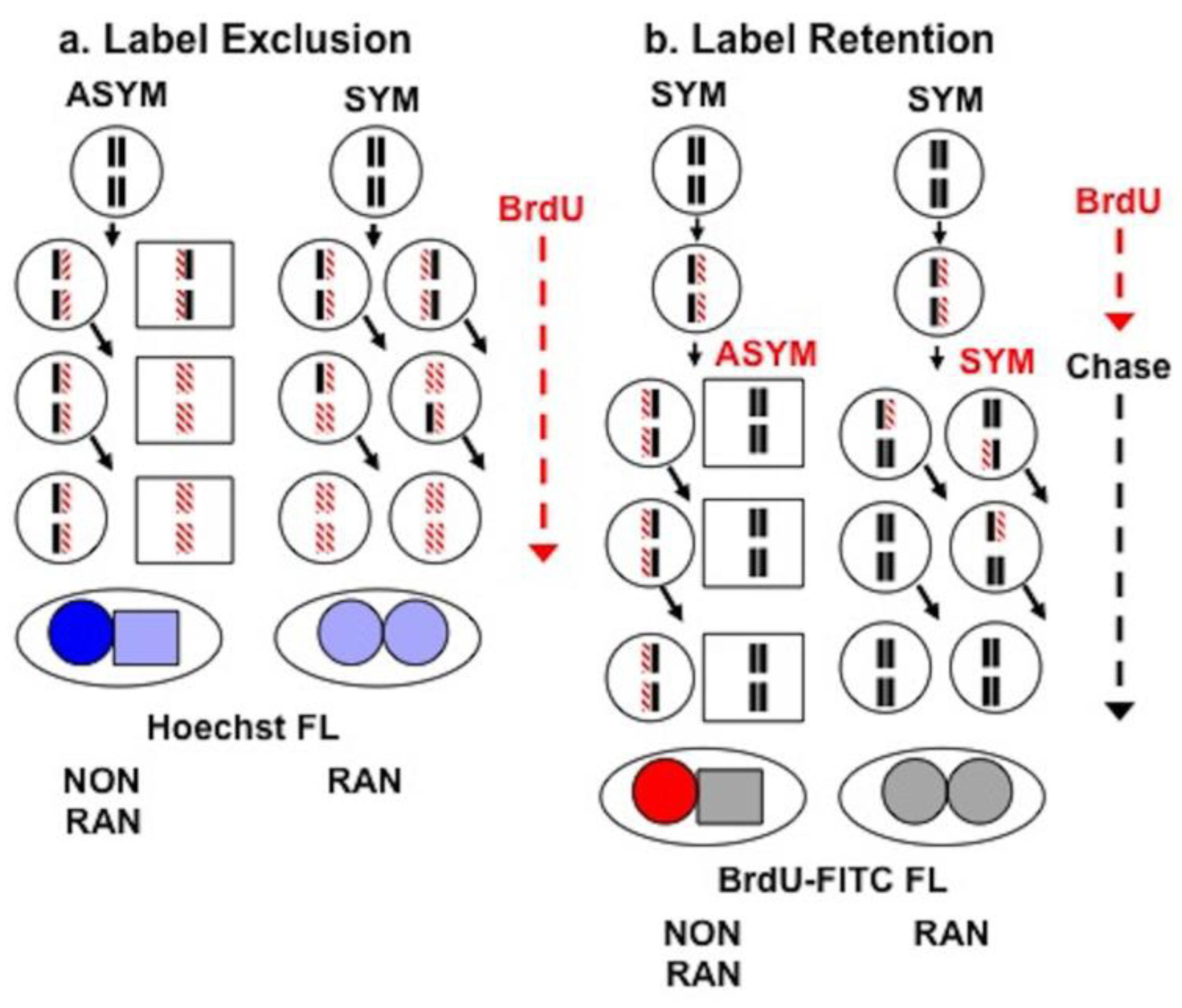
NonRandom Sister Chromatid Segregation in Biology Diagrams Anaphase II resembles mitosis, focusing on sister chromatid separation. Anaphase I establishes the haploid state, while Anaphase II ensures proper chromosome distribution within that framework. Centromere behavior also differs. In Anaphase I, cohesin proteins keep sister chromatids together, protected by Shugoshin.
Sister chromatids are linked by interaxis bridges until the end of anaphase. (A) Structure of metaphase chromosomes: Axes (green), loops (black and purple), and interaxis bridges with cohesin (red lines).(B) Bridges are built on catenations between sister chromatids.(C) Three morphological stages of sister chromatid separation.From Top to Bottom: From close association at metaphase, sister Sister chromatids, identical copies of a chromosome, are separated during cell division to ensure the accurate distribution of genetic material to daughter cells. This separation occurs during the metaphase and anaphase stages of mitosis, as well as during the first meiotic division, meiosis I. Sister chromatids are held together by a protein complex called cohesin until the appropriate stage

Sister chromatids separate during anaphase in a three Biology Diagrams
This connection is pivotal for the movement and eventual separation of chromatids. During anaphase, the spindle fibers shorten, pulling sister chromatids apart toward opposite poles of the cell. This separation is regulated by the anaphase-promoting complex, which triggers the degradation of cohesin proteins holding the chromatids together. The separation of sister chromatids is also mediated by an enzyme called separase, which cleaves the cohesin complex that holds the sister chromatids together. The cohesin complex is a protein complex that is composed of multiple subunits, including Scc1 and Scc3. The separase enzyme cleaves the Scc1 subunit, resulting in the release of the Separation Of Sister Chromatids. The separation of sister chromatids is a crucial step in cell division. This process ensures that each daughter cell receives an identical set of chromosomes. Understanding the stages involved can provide insight into how cells maintain genetic consistency. Anaphase. During anaphase, the sister chromatids are
The paternal (blue) chromosome and the maternal (pink) chromosome are homologous chromosomes.Following chromosomal DNA replication, the blue chromosome is composed of two identical sister chromatids and the pink chromosome is composed of two identical sister chromatids.In mitosis, the sister chromatids separate into the daughter cells, but are now referred to as chromosomes (rather than The separation of sister chromatids during anaphase requires the cleavage of remaining cohesion by Separase. The second wave of cohesin removal is scheduled to anaphase. During anaphase, sister chromatids are separated and then segregated to the opposite poles of the spindle. The separation and poleward movement of sister chromatids is
