The effects of climate change on the delicate food webs of the neotropics Biology Diagrams Climate change is projected to adversely affect agriculture worldwide. This requires farmers to adapt incrementally already early in the twenty-first century, and to pursue transformational adaptation to endure future climate-induced damages. Many articles discuss the underlying mechanisms of farmers' adaptation to climate change using quantitative, qualitative, and mixed methods. However

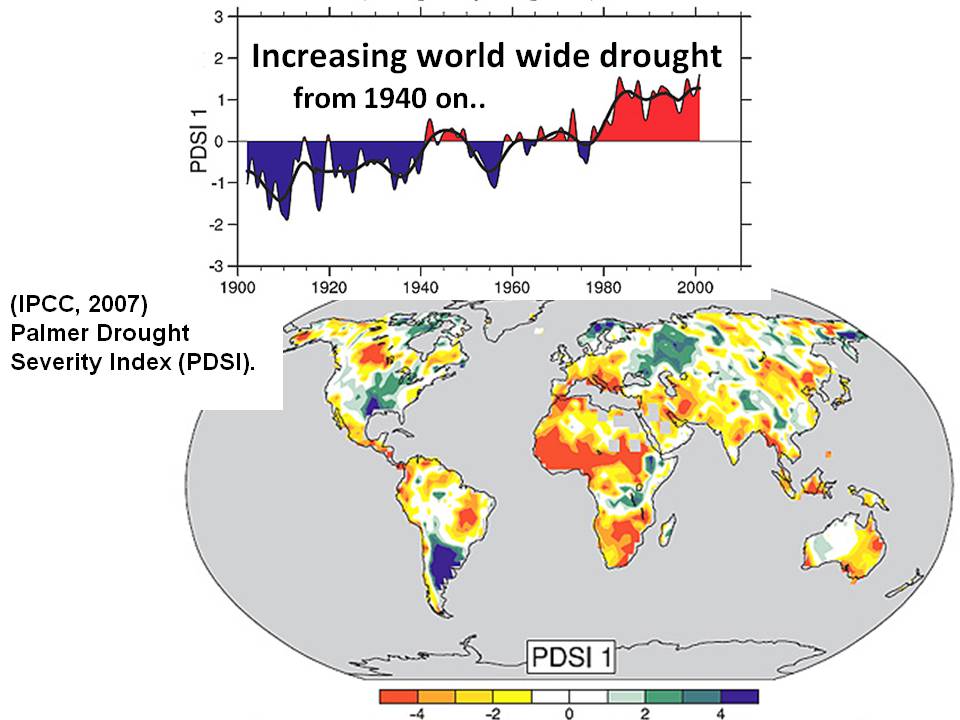
Unfortunately, the likelihood of having more simultaneously dry and hot years (compound extreme events) has been growing in different regions of the world (12), and this pattern is projected to continue in the decades ahead under various greenhouse gas emissions scenarios. This increasing probability will thus heighten the threat to the food supply chain. Shifting weather patterns, including temperature fluctuations, can cause shifts in ecosystems and reduce biodiversity. This loss affects wild food sources and pollinators like bees, which are Inflation-adjusted food prices during 2023 were down from their all-time high year of 2022, (Figure 5), but are still near record levels, making the global food system more vulnerable than usual to extreme weather shocks. In addition, the number of people experiencing food insecurity is also very high (Figure 4).

How Climate Change Will Alter Our Food Biology Diagrams
Eighty percent of the world's crops are rainfed, so most farmers depend on the predictable weather agriculture has adapted to in order to produce their crops. However, climate change is altering rainfall patterns around the world. When temperatures rise, the warmer air holds more moisture and can make precipitation more intense. Weather Anomalies and Global Supply Chains (image credits: Flickr) Weather anomalies are not confined to farms and fields alone. Imagine the global food supply chain as an intricate network of roads, where weather anomalies serve as the unexpected roadblocks and detours. Events like frosts or floods in one part of the world have the power to
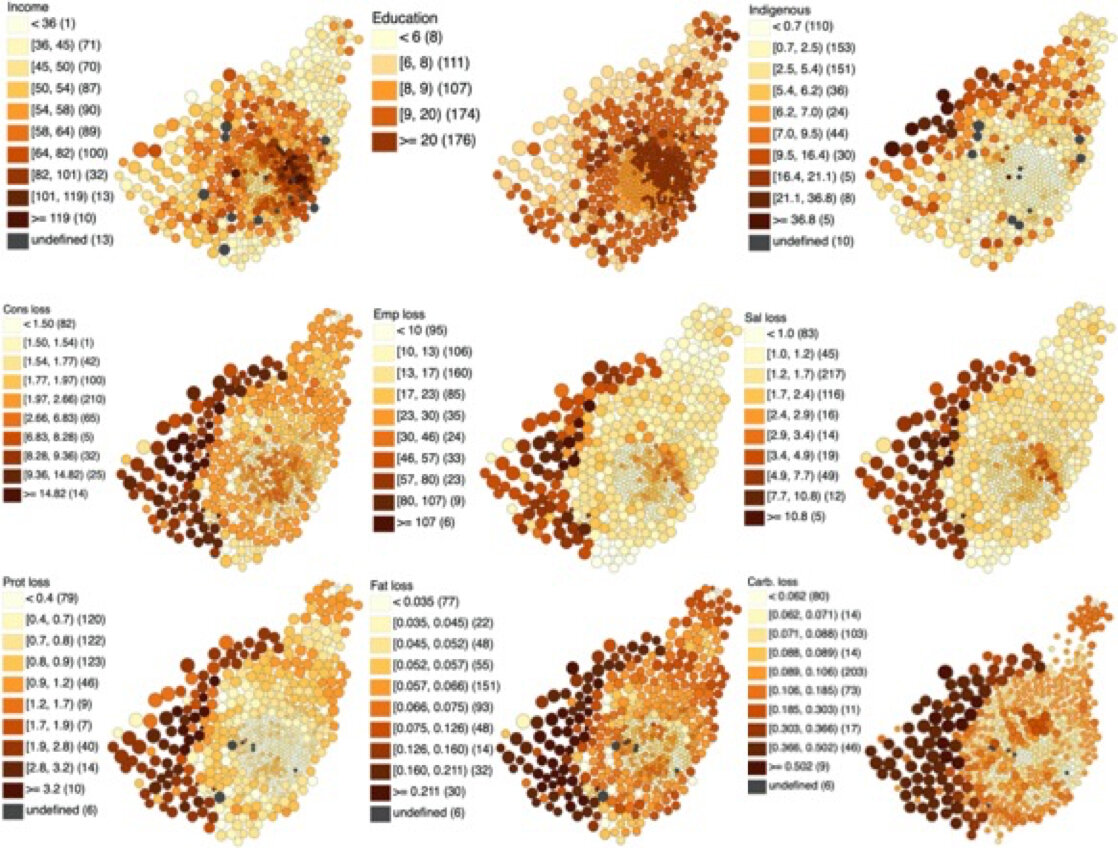
How Weather Impacts Agriculture Supply Chains. As weather patterns become increasingly unpredictable, technology is proving to be a vital tool in helping the agricultural sector adapt and
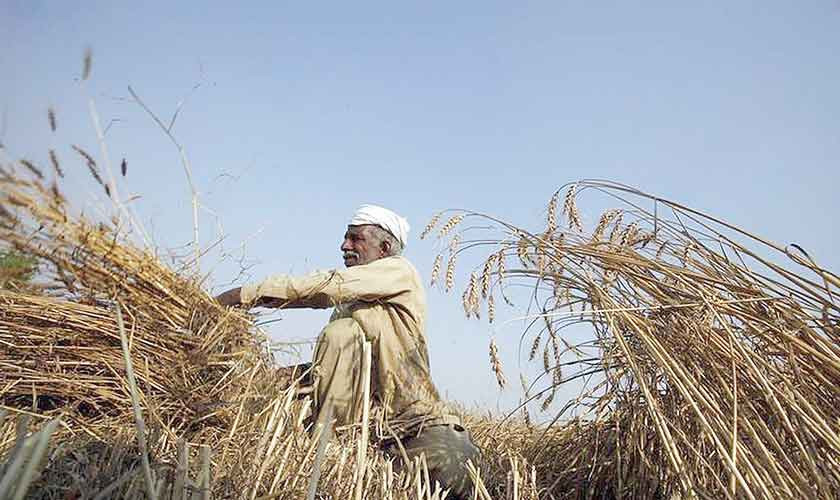
Incremental and transformational climate change adaptation factors in ... Biology Diagrams
Rising temperatures and changing weather patterns can affect livestock health and productivity. Heat stress in animals can lead to reduced growth rates, lower reproduction rates, and decreased